Why We Keep the Shirt: The Psychology of the Merch Table
Psychologist Steve Byrne explains why fans collect band merch: memory, belonging, and a reward loop that makes 'having everything' feel good.
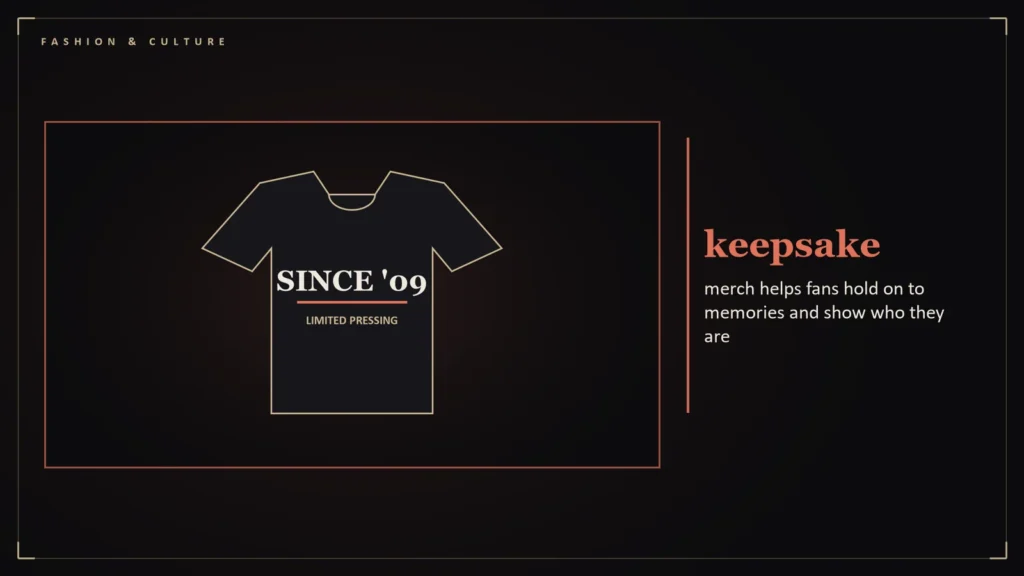
A band tee is a strange object. It is cotton and ink, mass-produced, sold from a folding table by someone who has been awake since dawn. It will also survive three apartments, two breakups and a career change, because it never stops being evidence of a night that mattered.
- Psychologist Steve Byrne says merch helps fans “stay connected, to hang on to those memories, and to show others what you’re into” [1].
- Merchandise can also keep a relationship alive, such as a friend or family member the fan shared the music with [1].
- Byrne links the urge to own everything to the same reward system involved in gambling and gaming, which helps explain why collections grow [1].
- Buying directly from bands helps them, since streaming pays little [1].
Memory you can wear
Steve Byrne, a licensed psychologist and associate professor of counseling, tells Loudwire that for some fans music is a refuge from difficult circumstances, and merchandise extends that refuge into daily life, helping them “stay connected, to hang on to those memories, and to show others what you’re into” [1]. The shirt is a bookmark in a life: you open it, and you are back in the third row.
A badge for the tribe
Byrne also points to belonging. Wearing a band signals membership and tells like-minded strangers where to find you [1]. That explains why a faded shirt on a train can start a conversation with someone you have never met. The fabric is a handshake.
Keeping someone with you
The most affecting reason Byrne names is memory of people. A shirt can commemorate a relationship, he says, a way of remembering a friend or family member who is no longer here and keeping that memory alive [1]. For many collectors, the favorite piece is not the rarest. It is the one that came from a particular person.
Collecting at its best and its worst
The same article separates the healthy version of the habit from the harmful one. For some collectors it is the “completionist” urge that drives the buying, the same reward system involved in gambling and substance use pushing people to own everything a band has merchandised [1]. It becomes unhealthy when it means going into debt, alienating friends and family or losing a job to acquire limited items [1].
The psychology is also about belonging. Music can be an escape for people dealing with depression, abuse or family hardship, and a community of like-minded fans can help outsiders feel accepted; collecting something tangible meets the same emotional need as the music [1]. What a person buys signals different things: records suggest foundational fandom, shirts show public support, era-specific items reflect nostalgia and unusual merchandise expresses an individual identity [1]. Serious collectors lean on Reddit forums, fan-club message boards and eBay auctions to track pieces and gain standing among peers [1]. The practical rule of thumb that follows is to buy what you will wear or display, not only what completes a list.
Why collections keep growing
There is a less romantic side. Byrne notes that the same neural system that keeps people engaged in gambling, overeating and video games wants us to feel rewarded, and that having everything is a form of that reward [1]. Anyone who has bought the fourth variant of a poster they already own knows the sensation. The honest response is not guilt but a budget and a rule: buy what you will wear, display or truly miss.
And there is a practical argument to go with the emotional ones. Byrne observes that buying merchandise from bands helps them survive, because streaming music is not exactly lucrative for artists [1]. The fan’s pull and the band’s need point in the same direction, which is rare enough in the music business to be worth celebrating.
Questions readers ask
Why do fans collect band merchandise?
According to psychologist Steve Byrne, to stay connected to the music and its memories, to signal belonging, to remember people, and because collecting engages the brain’s reward system [1].
References
- A Psychological Perspective on Merch Collecting — Loudwire — https://loudwire.com/psychology-merch-collecting